

Giving your roof a fresh coat of paint can breathe new life into your home’s exterior while also providing protection against the elements. Whether you’re considering a DIY approach or seeking professional assistance, understanding the ins and outs of roof painting is essential to ensure a successful outcome.
In this article, we’ll explore everything you need to know about painting your roof, from the step-by-step process to cost considerations and the benefits of professional help.
Related article:
Should I paint my roof?
Deciding whether or not to paint your roof is a big decision that can have both practical and aesthetic implications for your home. Before grabbing a paintbrush or calling a professional, there are several factors to consider to ensure you make the best choice for your situation.
Firstly, let’s talk about why you might want to paint your roof. Painting can help refresh the appearance of your home, increase its curb appeal, and even add value if done correctly. Additionally, certain types of paint can provide extra protection against the elements, such as UV rays and moisture, which can help extend the lifespan of your roof.
However, before you start browsing paint swatches, it’s essential to assess the current condition of your roof. If your roof is damaged or in need of repairs, simply painting over it won’t solve the underlying issues and could even make them worse. Before painting, it’s crucial to address any leaks, cracks, or structural damage to ensure your roof’s longevity and the paint job’s effectiveness.

Another consideration is the type of material your roof is made of. Not all roofing materials are suitable for painting, and some may require special preparation or specific types of paint. For example, asphalt shingles and metal roofs can typically be painted with the right products, while clay tiles or slate may not adhere well to paint and could require professional expertise.
Climate is also a crucial factor to consider. If you live in an area with extreme temperatures or frequent severe weather, the paint you choose must be able to withstand these conditions. Additionally, painting your roof a lighter colour can help reflect sunlight and heat, potentially reducing your home’s energy costs, especially in hot climates.
Cost is another significant consideration. While painting your roof can be a more affordable alternative to roof replacement, it’s essential to factor in the cost of materials, labour if you’re hiring professionals and any necessary repairs or preparation work. While it may seem like a DIY project, painting a roof can be labour-intensive and potentially dangerous, especially for multi-story homes or steeply pitched roofs.
Finally, consider your long-term plans for your home. If you’re planning to sell in the near future, a fresh coat of paint could enhance your home’s appeal to potential buyers. However, if you plan to stay in your home for many years, investing in a high-quality paint job now could save you money on future repairs or replacements.
How can I paint the roof myself?
Painting your roof is a manageable task with the right approach, whether you’re dealing with Colorbond sheets, tiles, or other roofing materials. Here’s a comprehensive guide broken down into simple steps:

Step 1: Gather Your Tools
To start, decide on the tools you’ll employ for the job. Your options typically include brushes, rollers, or spray paint. While spray painting offers efficiency, it may not be feasible for a DIY project due to the need for specialized gear and expertise. Rollers are a popular choice for DIY painting, while brushes come in handy for detailed work like corners and edges.
Keep in mind that brush painting can be time-consuming, so plan your painting schedule to avoid the peak heat hours of the day.
Step 2: Pick Your Paint
Selecting the right paint is crucial. Opt for a roof paint that reflects light and heat, helping to cool your home during summer and reduce energy costs. Ensure the colour complements your home’s exterior paint scheme for a cohesive look.
Step 3: Safety First
Before diving into the painting process, prioritize safety. Install safety equipment such as harnesses and edge protection, particularly if you’ll be working at heights. Test the gear to ensure it’s securely in place before starting work.
Step 4: Clean and Inspect
Thoroughly clean your roof and allow it to dry completely before painting. A pressure washer can effectively remove stubborn dirt and debris, revealing any areas that require repairs before painting begins.
Step 5: Prime
Apply a primer to the roof surface to cover any existing paint and enhance adhesion for the new paint. Skipping this step may result in a shorter lifespan for the paint job.
Step 6: Apply Two Coats
Regardless of your chosen painting method, apply two coats of paint for optimal coverage and durability. Allow the first coat to dry completely before applying the second coat.
Step 7: Seal (Optional)
Consider applying a sealer or glaze to protect the paint and achieve the desired finish. While not always necessary, sealing can enhance the longevity of the paint job and provide added protection against the elements.
Painting a Steep Pitch Roof
For roofs with steep pitches, specialized equipment like a hoist may be required. The hoist must be precisely positioned to facilitate painting one section at a time. However, due to safety concerns and the complexity of using a hoist, DIY painting on steep roofs isn’t advisable.
Professionals are better equipped to handle such tasks, and the cost of renting specialized equipment may outweigh the benefits of DIY painting. It’s often more cost-effective and safer to hire a professional painter for steeply pitched roofs.
How much does professional roof painting cost?
When it comes to giving your roof a fresh coat of paint, understanding the costs involved can help you make informed decisions. Professional roof painters typically charge around $40 per hour for their services. However, this rate can fluctuate depending on various factors, including the complexity of the project and the painter’s location. Simple jobs may come in at a lower rate of around $35 per hour, while more intricate tasks could push the cost up to $50 per hour. It’s worth noting that these rates usually cover the cost of roof cleaning as well.
It’s essential to recognize that the quoted prices primarily reflect labour costs. Additional expenses such as paint and supplies, along with equipment rentals like hoists for steeply pitched roofs, should also be factored in. Despite these additional costs, opting for professional roof painting can still be a cost-effective choice. Seasoned painters work efficiently, which means that even for a relatively sizable project like painting a 350 square-meter roof, the total cost might only amount to around $4,000 for a straightforward job, including any necessary repairs.
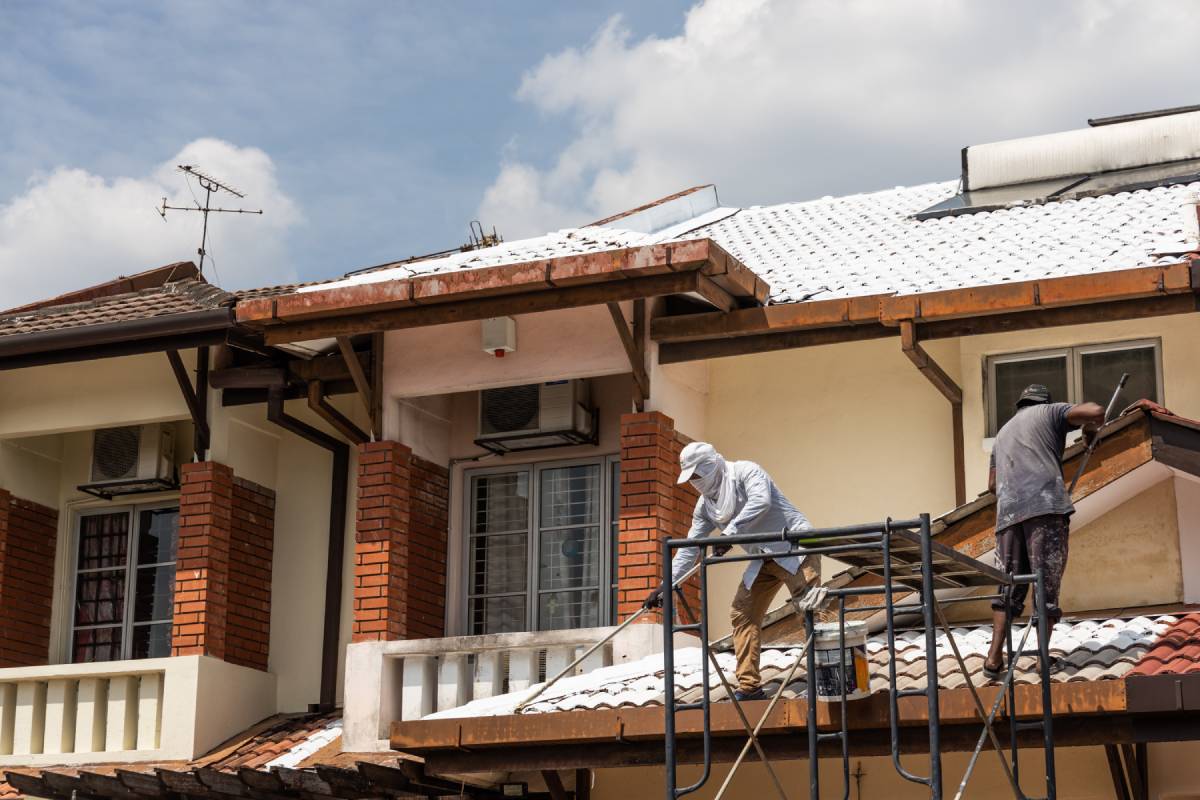
Professional vs. DIY roof painting: making the right choice
Deciding whether to embark on a DIY roof painting project or hire a professional boils down to several key considerations:
- Attention to Detail: Professional roof painters excel at handling intricate work like painting eaves or fascia, ensuring that every aspect looks immaculate.
- Safety: Professionals possess the requisite experience to work safely at heights, significantly reducing the risk of accidents. DIY painters, on the other hand, may overlook essential safety protocols, potentially leading to mishaps and prolonging the project timeline.
- Additional Services: Detail-oriented tasks often extend beyond simply painting the roof, encompassing jobs like painting window frames or other exterior features. Professional painters are adept at navigating ladders or sloped surfaces, guaranteeing that these finer details are executed with precision.
- Cost Considerations: While DIY painting may seem like a more budget-friendly option upfront, it’s essential to consider the additional expenses involved. Equipment rentals such as pressure cleaners or hoists can quickly add up, and the risk of causing damage to the roof due to lack of experience could result in costly repairs down the line.
If you decide to enlist the help of a professional, be sure to select a reputable roof painter with a proven track record, such as Painting Allsorts Near Central Coast, to deliver high-quality work. Requesting references and reviewing past projects can provide valuable insights into their expertise. Providing comprehensive details about your project will enable painters to furnish you with accurate quotes, which may be subject to finalization following an onsite inspection.
Keep in mind that the costs outlined here are approximate and may vary based on factors such as location and prevailing market conditions.
How to get quotes from roof painters
While learning how to paint a roof and opting for a do-it-yourself approach might seem like a cost-saving measure, hiring a professional roof painter could prove to be a prudent investment that enhances the value of your home. Before diving into a DIY roof painting project, it’s wise to gather quotes from roof painters in your area to gauge the cost of professional services.
When soliciting quotes for roof painting, inquire whether the painters offer additional services such as painting eaves, fascias, and guttering. While these services may come at an extra cost, roof painters may provide itemized pricing to give you a clear understanding of the expenses associated with various tasks.
To ensure you receive an accurate online quote, provide roof painters with detailed information such as:
- The total square meterage requiring painting
- Whether the roof is single-storey or two-storey
- The degree of steepness of the roof pitch
- If there are multiple areas to be painted, rather than a straightforward roof
- Any potential access issues that may impact the painting process
Providing roof painters with specific details can lead to a more accurate cost estimate, helping you make a well-informed choice for your roof painting endeavour.


