

Choosing a car can be exciting, but it can also feel like deciphering a secret code, especially with the array of options available in today’s automotive landscape. Three prominent contenders have emerged as leaders in the quest for more sustainable and efficient transportation: hybrids, plug-in hybrids, and electric vehicles (EVs).
In this exploration, we’ll break down the perks of each type, focusing on things like saving fuel, being kind to the environment, and what fits your budget. Whether you’re a city slicker or a nature lover, let’s figure out which one suits your style.
What are the differences between hybrid, plug-in hybrid and EV cars?
First, let’s get to know each of them, yeh? – hybrid, plug-in hybrid, and electric vehicles (EVs). Understanding the differences between these three can be a bit like deciphering a secret code, but fear not! Let’s break it down into simple terms.
Hybrid Cars
Imagine a car that has two power sources working together like a dynamic duo. That’s a hybrid! These cars have both a traditional gasoline engine and an electric motor. They take turns or team up depending on your driving needs. For example, when you’re cruising at lower speeds, the electric motor might take the lead, saving fuel. But when you need some extra oomph or hit the highway, the gasoline engine jumps in. Hybrids are like the chameleons of the road, seamlessly switching between electric and gasoline power.
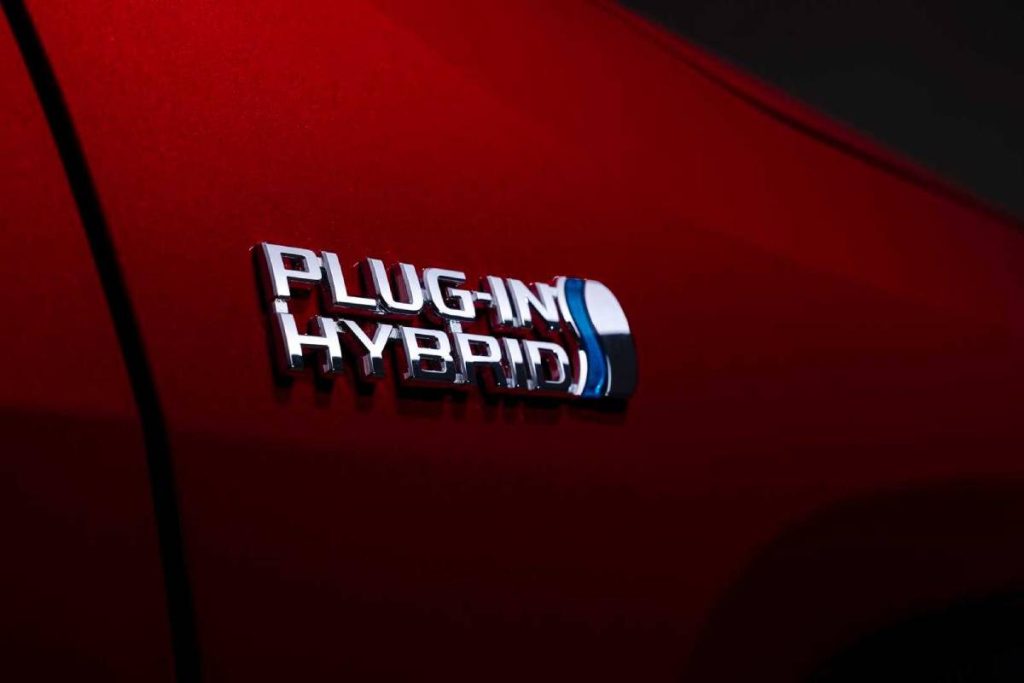
Plug-In Hybrid Cars
Now, think of a hybrid but with a superpower – the ability to plug in! Plug-in hybrid (PHEV) cars are like hybrids on steroids. They still have both a gasoline engine and an electric motor, but you can charge them using an electrical outlet. This means you can drive in full electric mode for a certain distance before the gasoline engine kicks in. It’s like having the best of both worlds – the efficiency of an electric car and the flexibility of a gasoline engine. If your daily commute is short, you might find yourself rarely visiting the gas station.
Electric Vehicles (EVs)
Time to go all-in on electricity! Electric vehicles, or EVs, are the superheroes of the automotive world. They run entirely on electric power stored in a big battery. Forget about gasoline – just charge up your EV, and you’re good to go. They produce zero tailpipe emissions, making them eco-friendly.
The catch? You need access to charging stations, and the distance you can travel on a single charge depends on the specific EV model. But fear not, as technology is advancing, and charging infrastructure is growing.
So, What Sets Them Apart?
- Power Source:
- Hybrid: Gasoline engine + Electric motor
- Plug-in Hybrid: Gasoline engine + Electric motor (chargeable)
- EV: Electric motor (chargeable)
- Charging:
- Hybrid: No need to plug in, charges itself while driving.
- Plug-in Hybrid: Plug into an outlet to charge for electric-only driving.
- EV: Requires charging at charging stations or outlets.
- Fuel Efficiency:
- Hybrid: Improved fuel efficiency, but still relies on gasoline.
- Plug-in Hybrid: Can run on electricity alone for shorter distances, saving more fuel.
- EV: Zero gasoline, entirely relies on electricity.
- Emissions:
- Hybrid: Lower emissions compared to traditional cars.
- Plug-in Hybrid: Lower emissions, especially when driving in electric mode.
- EV: Zero tailpipe emissions.
In a nutshell, hybrids are versatile multitaskers, plug-in hybrids add an electric boost with plug-in convenience, and EVs go all-electric for an emission-free ride. Choosing between them depends on your daily commute, charging access, and how much of an eco-warrior you want to be. Now, armed with this car knowledge, you’re ready to hit the road!
What are the pros and cons between each of them?
Each type of car – hybrid, plug-in hybrid, and electric vehicle (EV) – comes with its own set of advantages. Let’s dive into the perks of each to help you make an informed choice based on your preferences and lifestyle.
Hybrid Cars
Advantages:
- Fuel Efficiency: Hybrids typically offer better fuel efficiency compared to traditional gasoline cars. The electric motor assists in low-speed driving, saving fuel.
- Low Emissions: Hybrids produce fewer emissions than traditional cars, contributing to a cleaner environment.
- No Charging Required: Unlike plug-in hybrids and EVs, hybrids don’t need to be plugged in. The battery charges itself through regenerative braking and the gasoline engine.
Disadvantages:
- Limited Electric-Only Range: Hybrids can only travel short distances on electric power alone, limiting their all-electric capabilities.
- Dependence on Gasoline: Hybrids still rely on gasoline, so you’re not entirely free from traditional fueling stations.

Plug-In Hybrid Cars
Advantages:
- Extended Electric-Only Range: Plug-in hybrids can travel longer distances solely on electric power, reducing the need for gasoline.
- Fuel Efficiency: Like hybrids, plug-in hybrids offer better fuel efficiency, especially for short commutes when driving in electric mode.
- Flexible Fueling Options: You have the option to charge at home or use gasoline, providing flexibility for longer trips.
Disadvantages:
- Limited Electric-Only Range: While extended compared to regular hybrids, the electric-only range of plug-in hybrids is still limited compared to full EVs.
- Need for Charging Infrastructure: Although you can rely on gasoline, having access to charging infrastructure is crucial to fully benefit from the electric capabilities.
Electric Vehicles (EVs)
Advantages:
- Zero Emissions: EVs produce no tailpipe emissions, contributing to cleaner air and a greener planet.
- Lower Operating Costs: With fewer moving parts and no need for gasoline, EVs generally have lower maintenance and fueling costs.
- Quiet and Smooth Operation: Electric motors provide a quiet and smooth driving experience compared to traditional internal combustion engines.
Disadvantages:
- Limited Range: The distance an EV can travel on a single charge is still a limitation, and long trips may require careful planning around charging infrastructure.
- Charging Time: While charging technology is improving, it still takes longer to recharge an EV compared to refuelling a traditional car with gasoline.
- Initial Cost: The upfront cost of purchasing an EV can be higher than that of a comparable gasoline car, although incentives and rebates may help offset this.
In summary, choosing between a hybrid, plug-in hybrid, or EV depends on your driving habits, access to charging infrastructure, and environmental priorities. Each option has its set of advantages and disadvantages, so it’s essential to weigh them against your specific needs and preferences.
Common Advantages
- Government Incentives: Many governments, including Australia, offer incentives, such as tax credits or rebates, to encourage the adoption of environmentally friendly vehicles, including hybrids, plug-in hybrids, and EVs.
- Reduced Dependence on Fossil Fuels: All three types of vehicles contribute to reducing the dependence on traditional fossil fuels, promoting a more sustainable and environmentally conscious transportation system.
Considerations for All
- Charging Infrastructure: The availability of charging infrastructure plays a crucial role. While hybrids don’t require charging, plug-in hybrids and EVs depend on it. Check the charging infrastructure in your area.
- Upfront Cost: Typically, hybrids have a lower upfront cost compared to plug-in hybrids and EVs. However, this may be offset by potential savings on fuel and maintenance over the vehicle’s lifespan.
In summary, each type of car has its own unique advantages. Hybrids offer fuel efficiency without the need for charging, plug-in hybrids provide the flexibility of electric and gasoline driving, and EVs offer zero emissions and potential long-term cost savings. The right choice depends on your driving patterns, environmental priorities, and the charging infrastructure available in your area.
Which one of them is the best?
The “best” choice among hybrid, plug-in hybrid, and electric vehicles depends on individual preferences, driving habits, and priorities. Each type of vehicle has its own strengths and considerations. Here are some factors to consider when determining which one might be the best for you:
1. Driving Patterns:
- Hybrid: Ideal for those who have a mix of city and highway driving and may not have consistent access to charging infrastructure.
- Plug-in Hybrid: Suited for individuals with shorter daily commutes who can take advantage of electric-only driving, but also need the flexibility of a gasoline engine for longer trips.
- EV: Best for those with a predictable daily commute and access to reliable charging infrastructure, as EVs rely solely on electric power.
2. Environmental Impact:
- Hybrid: Reduces emissions compared to traditional gasoline cars but still relies on gasoline.
- Plug-in Hybrid: Offers a balance between electric and gasoline power, reducing emissions further, especially for short trips.
- EV: Produces zero tailpipe emissions, making it the most environmentally friendly option.
3. Cost Considerations:
- Hybrid: Generally has a lower upfront cost compared to plug-in hybrids and EVs. Offers fuel efficiency benefits without requiring charging infrastructure.
- Plug-in Hybrid: May have a higher upfront cost, but potential fuel savings and lower operating costs over time can offset this.
- EV: Often has a higher upfront cost, but lower operating costs, reduced maintenance, and potential government incentives can make it cost-effective over the long term.
4. Charging Infrastructure:
- Hybrid: No reliance on charging infrastructure since it self-charges while driving.
- Plug-in Hybrid: Requires access to charging infrastructure for optimal use of electric-only mode.
- EV: Depends entirely on charging infrastructure. Availability and convenience of charging stations are crucial considerations.
5. Government Incentives:
- Check for any available government incentives or rebates for purchasing environmentally friendly vehicles. These incentives can significantly impact the overall cost of the vehicle.
Ultimately, the “best” choice depends on your specific needs and priorities. If you value environmental sustainability and have access to charging infrastructure, an EV might be the best fit. If you seek a balance between electric and gasoline driving, a plug-in hybrid could be ideal. For those who want fuel efficiency without relying on charging, a hybrid may be the most practical choice. It’s essential to evaluate your own lifestyle and preferences to make an informed decision.
Final thought
Picking between a hybrid, a plug-in hybrid, or an electric vehicle isn’t just about getting from point A to B or a decoration for your driveway. It’s about choosing a ride that matches your lifestyle and values. Hybrids are like the multitaskers, plug-in hybrids add a little electric boost, and EVs are the zero-emission heroes. Each has its own cool features. So, as you roll forward on your car journey, think about what matters most to you – saving gas, going green, or maybe a bit of both. Happy driving!


